Tuning guides
Stage 1, Stage 2, Stage 3: what each level really changes
Power, parts, reliability, regulations: what each tuning stage really covers, the gains you can expect, and which one to offer your customer.
“Stage 1”, “Stage 2”, “Stage 3”: everyone uses the terms, rarely with the same definition. To sell the right job and avoid nasty surprises, here is what each level covers, the gains you can reasonably expect, and the parts that need to follow.
Stage 1: software, and only software
Stage 1 is a remap on a completely stock vehicle. The ECU parameters (boost pressure, injection, timing, torque limiters) are optimised within the margins the hardware already accepts.
- Typical gains: around +15 to +30% power on a turbo petrol engine, +20 to +35% on a turbo diesel; much less on a naturally aspirated engine.
- Parts: none.
- Who it is for: the vast majority of customers, including daily drivers.
Stage 2: the software follows the parts
Stage 2 assumes parts that help the engine breathe and shed heat: intake, a more efficient intercooler, exhaust, sometimes fuel delivery. The file is written for those parts.
- Typical gains: +30 to +50% depending on the engine.
- Watch out for: the clutch, gearbox torque limits, temperatures.
- Regulations: parts must be road-approved in your country; an exhaust without a catalytic converter is not.
Stage 3: working on the heart of the engine
Bigger or hybrid turbo, injectors, pump, uprated clutch, often internal engine parts: Stage 3 is a build project, with a custom calibration and dyno sessions.
- Gains: beyond +50%, depending on the engine and budget.
- Who it is for: enthusiasts, motorsport, off-road vehicles.
What about the gearbox?
On automatic and dual-clutch gearboxes (DSG, ZF 8HP…), the transmission control unit often limits the torque it accepts. Tuning the gearbox (TCU) raises those limits and adjusts clutch pressures and shift patterns: it is often essential from Stage 1 on powerful engines.
Reliability: what makes the difference
- a file written for this vehicle and this hardware, not a generic file;
- a datalog before and after (boost, temperatures, fuelling, knock);
- a vehicle in good condition before the job (plugs, filters, intake leaks);
- torque limits consistent with the clutch and gearbox.
A power increase must be declared to the insurer and, depending on the country, may require type approval. Always inform your customer in writing.
How MFT Dev writes your files
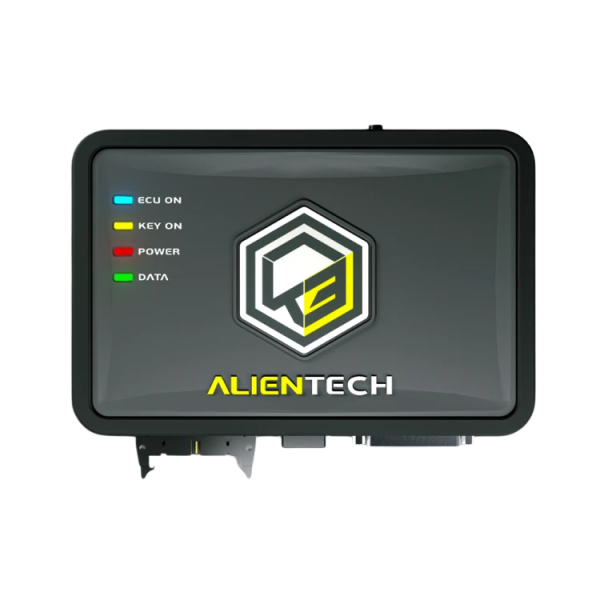
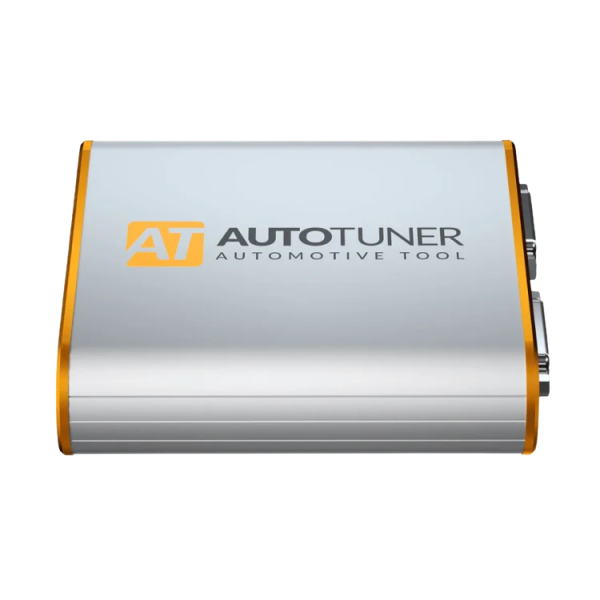
With the MFT Dev Files Service, you upload the read from your garage account, stating the stage you want and the hardware fitted. An engineer writes the file for that vehicle, corrects the checksums and sends it back, ready to write with your KESS3, Autotuner or HexProg. To avoid the classic traps, also read the 7 mistakes that kill an ECU.
A Stage 1 or 2 to do this week? Your file is ready within minutes.
Frequently asked questions
Does a Stage 1 damage the engine?
A well-written Stage 1 stays within the margins of the engine and its stock parts. Problems come from generic files, poorly maintained vehicles or torque limits ignored for the clutch or gearbox.
Can I go back to the original file?
Yes, as long as a full backup was made before the job. It is a basic rule: always keep the original read of every vehicle.
Do I need to tune the automatic gearbox?
Often, on powerful engines: the gearbox control unit limits torque. Tuning it raises those limits and adapts the shift patterns.